





Los Angeles Wildfires Cause Widespread Destruction, Economic Losses Expected to Top $52 Billion
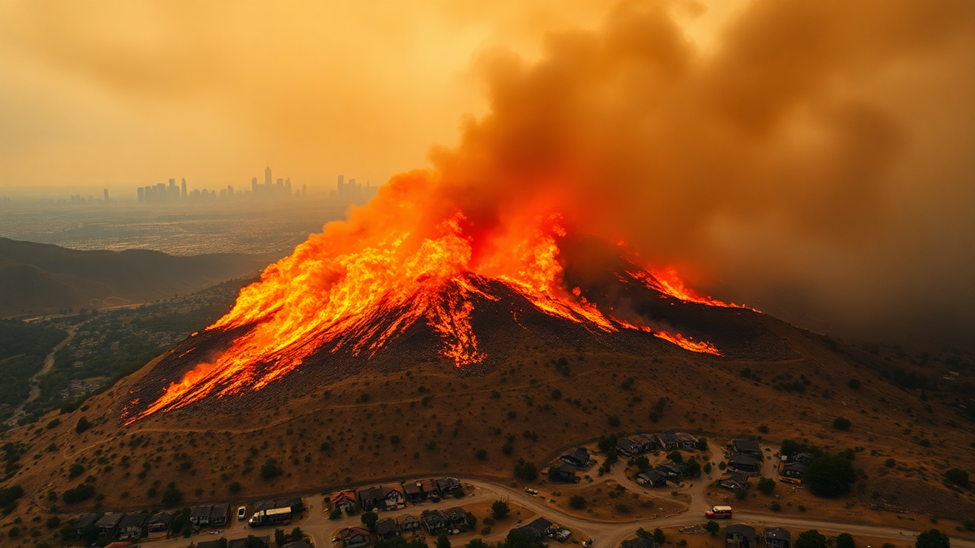
The Los Angeles region is facing one of the most catastrophic wildfire seasons in recent history, with fires breaking out in late December 2024 and continuing into early January 2025. The wildfires have scorched over 500,000 acres, destroyed thousands of homes, and devastated public infrastructure. Experts estimate the economic toll could surpass $52 billion, making this one of the costliest natural disasters in U.S. history.
The fires, which began on December 26, 2024, were fueled by a combination of prolonged drought conditions, dry vegetation, and strong seasonal Santa Ana winds. By January 7, 2025, firefighters reported over 20 active fire zones in Los Angeles County alone, including the devastating Palisades Fire, which burned through residential neighborhoods and natural preserves.
The rapid spread of the fires forced the evacuation of over 100,000 residents across Los Angeles and Ventura Counties. Temporary shelters have been set up in schools and community centers, but these facilities are quickly reaching capacity as displaced families continue to arrive. Local officials declared a state of emergency on December 28, 2024, prompting California Governor Gavin Newsom to request federal disaster assistance.
Economic and Environmental Impact
The estimated $52 billion in damages includes destruction of homes, businesses, and public infrastructure. Nearly 15,000 homes have been reported damaged or destroyed, with several communities in Los Angeles County completely wiped out. Public facilities such as schools, parks, and playgrounds have also been lost, including a popular children’s park in the San Fernando Valley that was engulfed in flames on January 3, 2025.
In addition to the immediate destruction, the fires have caused long-term environmental damage. Thousands of acres of forest and wildlife habitats have been lost, threatening local ecosystems. Cleanup efforts could take months, if not years, as the region works to restore water quality, prevent landslides, and replant vegetation in burned areas.
Air quality has also been severely affected. By January 5, 2025, Los Angeles had recorded its worst air pollution levels in over two decades, with a dense blanket of smoke covering the region. Health officials have warned residents, particularly those with respiratory conditions, to stay indoors and wear N95 masks when venturing outside.
Response and Recovery Efforts
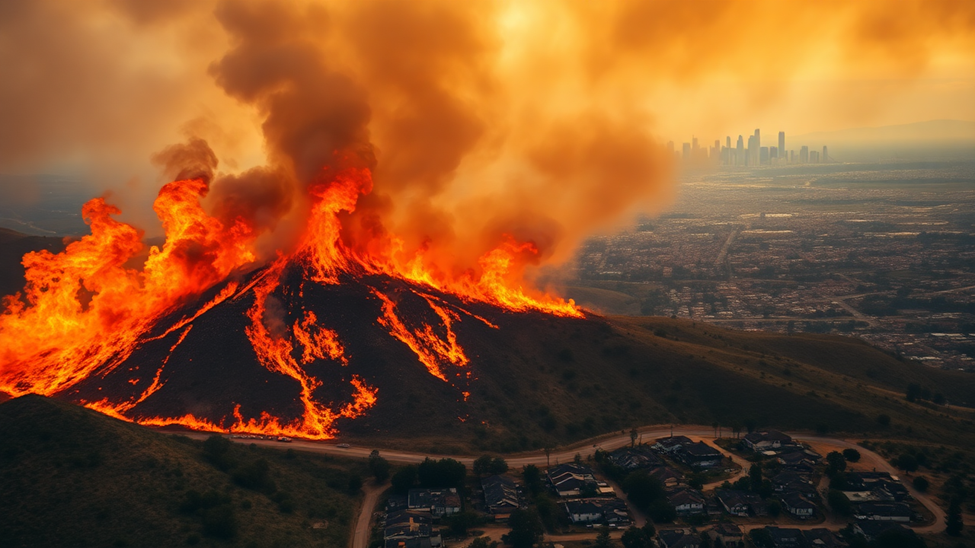
Firefighting crews from across California and neighboring states have been deployed to combat the fires, with over 15,000 personnel working tirelessly around the clock. Despite their efforts, containment remains difficult due to strong winds and dry conditions. As of January 10, 2025, only 45% of the fires have been contained.
The federal government approved an emergency disaster declaration on January 4, 2025, unlocking additional funding and resources for recovery efforts. Relief organizations, local nonprofits, and volunteers are working to provide food, shelter, and medical aid to affected residents.
The Role of Climate Change
Experts warn that the increasing intensity and frequency of wildfires in California are a direct result of climate change. The region has experienced record-breaking heat and one of the driest winters on record, creating ideal conditions for fires to spread rapidly.
“This is the reality of living in a changing climate,” said Dr. Emily Carter, a climate scientist at UCLA, during a press conference on January 6, 2025. “The combination of extreme weather, prolonged drought, and warming temperatures is making wildfires more frequent, destructive, and difficult to control.”
Looking Ahead
As the fires rage on, state and local officials are urging the public to stay vigilant and prepare for possible evacuations. Residents are advised to keep emergency kits on hand and monitor updates from local authorities.
In the long term, Los Angeles County officials are calling for greater investment in fire prevention measures, including controlled burns, improved emergency response systems, and climate adaptation strategies.
The current crisis serves as a stark reminder of the urgent need for global action on climate change. Without meaningful measures to address rising temperatures and environmental degradation, experts warn that California—and the world—will continue to face increasingly severe natural disasters.